
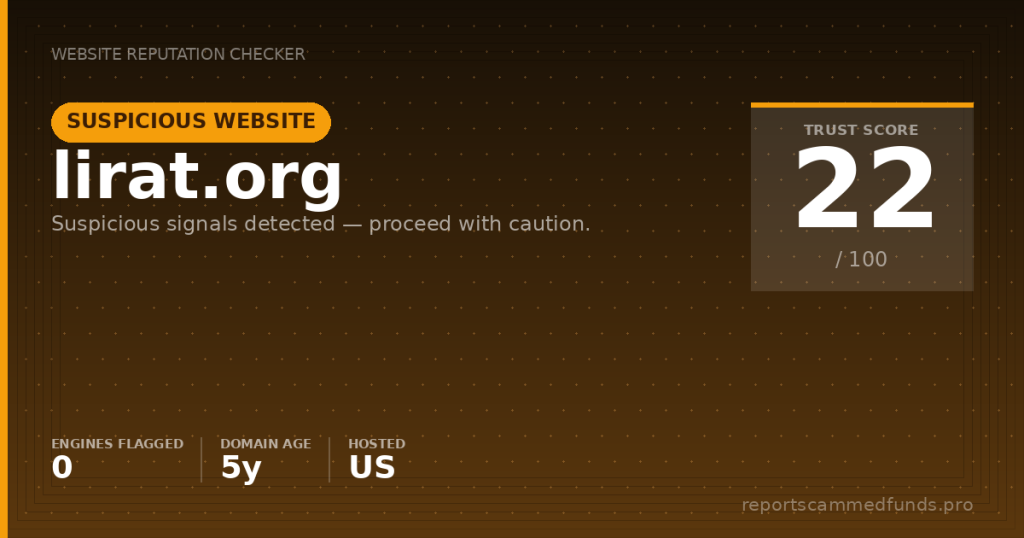
Trading platform & site functionality
At first glance, lirat.org functions as a rate-tracking portal for currencies and gold, with an emphasis on the Syrian pound, Lebanese pound, and Turkish lira. It runs on WordPress with a custom theme, fetching price data through JSON endpoints that update rate tables client-side. The page is ad-supported, and multiple scripts fire on load, including Google AdSense, which insert dynamic ad blocks around the content. The user interface is mobile-friendly, with iconography for each currency, and the site presents quick links to currency subpages and gold karat breakdowns. All of this gives the appearance of a live, constantly updated market dashboard even though the provenance of its data feeds is not explained on-page.
Under the hood, the stack relies on an older jQuery (1.11.3) and a mix of custom JavaScript that triggers ‘load more’ behavior and asynchronous fetches to WordPress JSON routes. This approach is common for news or aggregator sites, but the reliance on outdated libraries, combined with numerous third-party request chains, can degrade security hygiene. The site pulls in fonts and UI assets while simultaneously loading tracking pixels from social platforms; that adds to page weight and increases the number of external calls your browser makes. It also suggests a monetization model that depends on granular audience profiling and retargeting, not just passive pageviews.
The site’s functional promise is a clean list of rates with buy/sell spreads, plus gold prices by karat, but it does not explain methodology, update intervals, or data sources. For a rates site, those omissions are meaningful; without a clear sourcing statement, users cannot judge whether values are scraped from unverified Telegram channels, dealer quotes, or official exchange bulletins. In inconsistent or controlled currency markets, the difference between a street rate and an official rate can be material. Because lirat.org does not annotate those distinctions or show source timestamps beyond a superficial updating interface, users cannot easily validate whether the figures are authoritative, indicative, or promotional.
The site further embeds social components, including a Facebook customer-chat widget and tracking that can profile visitors across sessions. That is not inherently malicious, but the combination of social tags, advertising scripts, and opaque operator identity can expose visitors to remarketing funnels they did not intend to enter. There is also a link to a Google Play app, which on review does not obviously match the site’s brand, creating a branding mismatch that should give readers pause. A properly governed publisher typically aligns app package names, developer identities, and website branding; the divergence here is a minor but telling detail.
In practice, the site ‘works’ insofar as it renders rate tables and gold prices, but the overall implementation prioritizes monetization and reach over verifiability and safety. Without visible editorial standards, named authors, or a compliance statement, visitors are left to take the figures at face value. For a site that could influence where a reader buys currencies, remits money, or shops for gold, this is insufficient. Users should corroborate any figures presented here with reputable banks, recognized remittance networks, or central bank releases before acting.
License & regulatory status
This website does not claim to be a broker or financial intermediary, so there is no direct expectation of licensing by securities or derivatives regulators such as the FCA, BaFin, ASIC, CONSOB, FINMA, the CFTC, or ESMA. However, even for a non-broker financial information portal, transparency obligations exist in many jurisdictions. Publishers commonly provide a legal imprint or ‘About’ section naming the company, address, and responsible editors; on lirat.org, no such clear imprint was visible on the landing page during our review. That omission removes a key accountability link that readers use to assess provenance.
We also did not see an on-page disclosure explaining the source of exchange-rate data or the relationships, if any, with local dealers, money-transfer businesses, or advertising affiliates. Where a publisher accepts advertising from remittance firms or informal exchangers, best practice is to separate editorial content from sponsored placements and label them unambiguously. Financial regulators have repeatedly warned that misleading promotions—particularly in foreign exchange and crypto—can originate through benign-looking content sites that earn affiliate commissions for clicks. Absent clear disclosures, readers are left to guess whether a banner or a rate card might be a paid placement.
To be clear, we did not find the site claiming affiliation with any specific national regulator or falsely using regulatory seals. The problem here is not overt falsehood but lack of foundational transparency: no independently verifiable corporate identity, no sourcing note for the displayed data, and no obvious privacy or cookie documentation at the moment of testing. Those are material governance deficits for any site that influences financial decisions, even if it is not itself a regulated platform. Readers should assume that, if a dispute arises over misleading content or a harmful ad click-through, there may be no regulated entity standing behind the site to accept responsibility.
User feedback
We did not locate a robust, verifiable body of independent user reviews focused specifically on lirat.org that would allow clear conclusions about long-term reliability. That in itself is a signal: established rate portals usually accumulate a paper trail of user feedback, FAQs, and even expert citations describing their methodology and uptime history. The absence of a review footprint means visitors cannot easily gauge whether others have experienced problems such as outdated figures, ad redirects, or questionable partner links. In markets where people depend on rates to time remittances or cash purchases, this uncertainty is risky.
Across similar Arabic-language rate aggregators, common complaints include intrusive advertising that interrupts navigation, slow pages due to heavy tracking, and unexplained discrepancies between the site’s quoted rate and what users encounter at exchange shops. While we cannot attribute those specific issues to lirat.org without broader evidence, the site’s design choices—numerous third-party calls, legacy libraries, and aggressive ad integrations—track with that pattern. Another recurrent theme in user feedback for comparable portals is being prompted to join off-platform channels (e.g., Telegram groups) where ‘exclusive’ rates or dealer contacts are shared. Such channels are entirely unregulated and are frequently used to promote risky schemes.
We also see, from our technical traces, a reliance on social pixels that enable retargeting. Some users are uncomfortable discovering that after browsing a rate site, they are shown ads for high-risk trading apps or unregulated brokers across social media. Those are not ‘user complaints’ about the publisher per se; they are the downstream consequence of a tracking-heavy setup. Even if you never click a banner on lirat.org, your browser may supply enough signals to place you into advertising buckets that deliver speculative financial promotions. For readers who only wanted to check a reference rate, that is an unwelcome outcome.
Deposits & withdrawals
Because lirat.org is not a broker or exchange, it does not accept deposits or process withdrawals directly on-site. The financial risk surface here is different: it is about where the site might steer you and what data it collects while you browse. If you follow an advertisement, install a promoted app, or join an off-site channel suggested by a tracking banner, you could encounter requests for card details, crypto transfers, or passport scans. Those actions would occur on third-party destinations; the core danger of the publisher’s model lies in its ability to channel visitors toward higher-risk environments.
We saw a Google Play link on the homepage, but the package branding did not clearly correspond to the site’s name. That mismatch merits hand-brake caution: only install apps from publishers you can verify independently and whose permissions you understand. If any app or partner link asks you to pre-fund a wallet, buy a voucher, or send crypto to ‘lock in’ a rate, treat it as a red flag—in regulated remittance or exchange relationships, you do not send funds to anonymous wallets without a traceable, licensed counterparty. Reputable apps disclose their corporate entity in the store listing and provide a helpdesk you can contact.
If you have not made any payments or shared personal data, your primary exposure remains advertising and behavioral tracking. You can reduce this by blocking third-party cookies, using a content blocker, or browsing in a hardened mode. If you have already clicked through to a partner and submitted data or funds, keep the transaction confirmation, website addresses, and any chat logs. Those records matter if you later need to dispute a charge or file a report.
One more point: some rate sites send you to ‘agent’ WhatsApp numbers for remittances or cash swaps. While such agents exist in many markets, they are unregulated and, when something goes wrong, there is often no chargeback path. If you are tempted by a message thread promising a preferential rate, step back and verify the business licence and real-world address of the counterparty. The entire point of a safe exchange is traceability; anonymous DMs are the opposite.
Why unregulated brokers are risky
The general risk with unverified, ad-driven financial portals is not that they directly steal your money but that they normalize a path into unregulated offers. A single click on a banner can land you on a high-risk broker registration page; a second click can put you in a group chat where someone pressures you to send a test transfer. None of these actors will be supervised by the FCA, BaFin, ASIC, CONSOB, FINMA, the CFTC, or similar authorities. If anything goes wrong, there is no investor-compensation scheme, and your local regulator may tell you there is no jurisdictional reach to force refunds.
Another underappreciated risk is data leakage via pixels. Tracking tags broadcast page loads, event types, and device hints that enable lookalike advertising and re‑engagement. If those signals place you into a segment targeted by speculative financial services, the onslaught of promotions can erode your judgment over time. Even cautious users click the wrong link on a tired day. Minimizing exposure to such funnels is as much a safety step as avoiding obvious scam pages.
Sites that use older libraries and a heavy plugin stack also carry software risks: outdated code is a frequent vector for cross-site scripting or malicious ad injection. Even if the publisher is not malicious, a compromised ad slot can present a fake ‘update your browser’ popup, a counterfeit wallet prompt, or a phishing login overlay. Because the operator identity here is opaque, there is no fast, accountable channel to raise such incidents if they occur. A well-governed publisher posts a security contact and a changelog; we did not see that here.
Finally, information risk matters. Rates without sourcing and timestamps can be misleading at best and manipulative at worst. In stressed currency environments, rumor and arbitrage create volatile spreads; a table that looks authoritative but is actually curated to favor a partner’s quote can push users into worse deals. If there is no clear disclosure of data sources and update cadence, treat every figure as indicative only and verify independently with your bank or a recognized remittance provider.
How to get help if you’ve been scammed
If you clicked an advertisement or partner link from this site and paid money, act now. Contact your bank or card issuer immediately to request a chargeback or dispute the transaction, especially if the counterparty is unregulated, unresponsive, or different from what was advertised. If you sent funds by wire or instant transfer, ask your bank to initiate a recall; while not guaranteed, speed helps. If you transferred crypto, document wallet addresses and transaction hashes, and stop sending further funds—do not pay ‘release fees’ or ‘taxes’ demanded after the fact.
Report the incident to your national authority: in the UK, use Action Fraud; in the EU, report to your national police cybercrime unit and, if financial promotion was involved, your financial regulator; in the US, file with the FTC and IC3. Provide screenshots, URLs, emails, chat logs, and transaction proofs. These reports build the case history that enforcement teams need to trace patterns and warn others. Even if the amount is small, reporting helps.
If you need structured assistance—dispute wording, escalation strategy, jurisdiction checks—contact our team at reportscammedfunds.pro. We review your evidence, map the money flow, and advise on the most realistic recovery path, including bank chargebacks, merchant-acquirer complaints, and regulator notifications. We can also help you harden your devices and accounts after an incident, which reduces the chance of follow‑on approaches such as ‘recovery scams’ where new actors pretend they can unlock your funds for a fee. Do not engage with unsolicited offers of help found in comment sections or group chats.
If no money changed hands but you entered personal data on a linked site, enable fraud alerts with your bank, change reused passwords, and monitor statements closely. Consider placing a temporary credit freeze where available. Clear your browser, revoke third‑party app permissions connected to social accounts, and enable multi‑factor authentication. These hygiene steps reduce the value of any data that tracking scripts may have captured.
Conclusion
Lirat.org is not a broker, but the way it operates—opaque ownership, heavy tracking, ad-driven routing, and unverified rate sourcing—creates meaningful risk for readers. It may function as a convenient snapshot of market chatter around lira-related rates, yet it does not meet the transparency bar we expect from a financial information publisher. The combination of legacy code, multiple third-party scripts, and unclear data provenance means users should not make financial decisions based solely on what they see here.
Our recommendation is straightforward: treat lirat.org as a low-trust reference only, and verify any displayed rates directly with your bank, a major remittance network, or an official central-bank notice. Do not install mobile apps or join off‑platform channels linked from the site unless you can independently verify the developer or organizer. Block third‑party cookies, use a content blocker, and avoid logging into social platforms in the same browser session you use for rate checks; that will reduce tracking exposure.
If you have already been steered into a problematic promotion through this site, take immediate protective measures and seek help. The earlier you act, the better your odds of stopping further charges or halting a fraud escalation. As always, keep meticulous records and be skeptical of anyone promising instant recovery for a fee—the second scam is often worse than the first.